

The Benefits of Doll Therapy for Seniors Living with Dementia
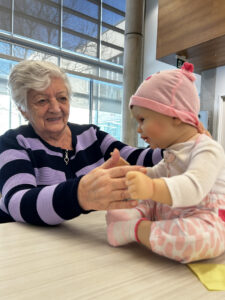 Many seniors living with dementia have spent much of their lives raising children, and caring for siblings, relatives, and other loved ones. Being on the receiving end of care can feel stressful and unfamiliar—especially when memory loss makes it more difficult to understand, communicate, or maintain a sense of independence.
However, there are still many ways that our clients can experience meaningful moments and express their innate desire to care for others.
Doll therapy is an emerging person-centred approach in dementia care that can support emotional well-being, communication, and meaningful interaction. Seniors are offered a doll to hold, rock, or dress—actions that feel natural and reassuring to them.
Staff at Circle of Care’s Adult Day Program have already started to see the impact of the newly introduced therapy dolls first-hand.
“The dolls remind our clients that they are still parents and caregivers,” shares Vafa H., Senior Recreationist. “They smile when they hold and hug the dolls, as if they were their own children or grandchildren.”
At our Adult Day Program, we offer daily enrichment activities for seniors living with dementia and/or physical frailty. Through a small portion of the Enabling Accessibility Fund (EAF) – which funds eligible projects that improve accessibility for persons with disabilities in Canadian communities and workplaces – we purchased five therapeutic dolls. One of the dolls, the Hug by Laugh doll, has a heartbeat feature with sound, and is specially designed for cuddling.
For clients who have formed a connection with the dolls, they are available throughout the day as a source of ongoing comfort and support. Staff have seen clients who once wandered or stood up frequently become settled and engaged as they calmly cradle the dolls and respond to their soothing sounds and sensory features.
Most importantly, this activity resonates with clients across our diverse community, often bridging language barriers in a natural way.
“They sing lullabies to the dolls in their native languages,” says Vafa. “You can see that it brings a lot of memories to the surface. It’s truly life changing.”
Speaking to the Heart and Mind
Through doll therapy, seniors may step out of a world that feels frightening or confusing, and into one where they feel capable and in control. It grounds them in a familiar caregiving experience while allowing them to focus on the present through physical touch. Activities like dressing the dolls and holding feeding bottles can help clients maintain and practice fine motor skills through purposeful movements.
For family caregivers, seeing and knowing loved ones are interacting positively with the dolls can be especially comforting—and some have noticed less pacing, fewer outbursts, and more moments of quiet connection.
Supporting Dignity
When first introduced to doll therapy, families and caregivers may be uncertain about how this therapy can benefit their loved ones. The focus of doll therapy is not to treat the person with dementia like a child; it is to provide more opportunities for meaningful engagement, as well as everyday comfort.
Doll therapy is a helpful tool for people with dementia, but it isn’t for everyone. Respecting your loved one’s dignity and autonomy is the most important factor. This type of therapy works best when it reflects a person’s preferences, life experiences, and comfort levels.
By offering them the choice and letting them take the lead, you can explore whether it would be a helpful addition to your loved one’s care and start from there.
The Takeaway
Depending on where you are in your aging journey, doll therapy may be a beneficial option that will bring you reassurance and more moments of everyday connection.
If you find that doll therapy isn’t right for you, know that there are many available supports out there. At our Adult Day Program, we also offer gentle exercise sessions, group discussions, trivia games, hands-on baking, art workshops, music therapy, visits from licensed therapy dogs, and more engaging activities.
We’re here to meet you where you are. If you are interested in learning more about how our Adult Day Program can support you and your loved ones, please visit our page here.
Sources