

How SALC is Building Connection, Confidence, and Community
For many seniors, loneliness is not occasional, it is part of everyday life.
Loneliness can come quietly. A partner passes away. Friends move or become less mobile. Getting out of the house becomes harder. Over time, days grow more isolated, and opportunities for connection become fewer.
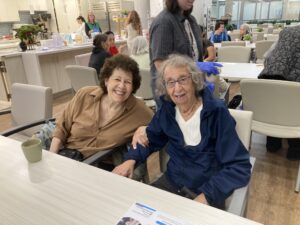 To address this, the Ontario government has been investing in programs that help seniors form connections in their own communities. Through funding for initiatives like Senior Active Living Centres (SALC), the province enables local organizations, including Circle of Care, to offer accessible, welcoming spaces where seniors can participate in regular group activities, build relationships, and stay engaged. This approach recognizes that social well-being is essential to overall health, and that structured, community-based programming can play a key role in reducing isolation and helping seniors maintain a sense of belonging.
“The takeaway is that you don’t have to be alone,” explains Devorah, a program facilitator. “SALC is a great program for introducing our participants to a new community of people like them.”
Connecting on a Deeper Level
When someone first joins a SALC program, they may feel reticent about sharing information about themselves. But Devorah has found that this quickly changes, and participants open up to each other about what they’re really experiencing: grief, illness, financial stress, and the uncertainties of aging.
“When people start sharing, they find that they really have common issues,” she says. “They can share experiences and advice with each other, which is really meaningful.”
In one program, a participant spoke openly about their mental illness — an unexpected moment that encouraged others to share their own mental health experiences.
Moments like that quickly build trust.
For many seniors, openly discussing mental health is still relatively new. Without the pressure of professional roles or expectations, participants often become more willing to share their experiences. Once one person speaks, others tend to follow.
“They have nothing to lose,” Devorah says. “They’re already feeling vulnerable… so why not share?”
Building Educational Partnerships
Many of Circle of Care’s SALC programs involve guest speakers, who share advice and tips on a variety of topics for participants.
Once such guest speaker is research scientist Dr. Shilpi Gupta. She has presented to SALC clients many times, and even offers free virtual sessions as well.
To expand access to a wider audience, Devorah established a partnership with a local Chartwell residence, which now hosts Dr. Gupta’s sessions and welcomes SALC participants.
“The clients really, really love her,” Devorah says. “She’s shared so much knowledge and insight with them.”
The relationship reflects the broader approach behind SALC programming — finding ways to bring valuable experiences to participants, who may otherwise not have an opportunity to learn about these topics.
Connections that Continue Beyond the Program
For many participants, SALC programs are their first step toward rebuilding a social circle and a renewed sense of belonging.
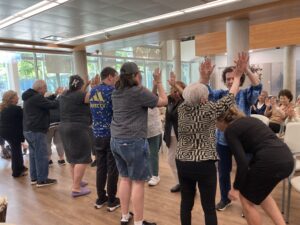 By offering a warm, structured environment, the program makes it easier for seniors to take that initial step: showing up, meeting others, and forming connections. And while SALC creates the space for these interactions to begin, Devorah has found that friendships grow rather organically beyond the program.
Many participants stay after the formal program ends, sitting around the table and continuing their conversations with each other. “I often see participants exchanging phone numbers,” says Devorah. “That’s when things start to take shape—people meet for coffee and continue those friendships on their own time. We even had a couple who met through the program and saw their relationship blossom from there.”
Together, these moments speak to the wonderful community that has developed as a result of SALC. The program has helped build a lasting network of friendships, helping seniors feel more connected and engaged in their daily lives. These connections also play a critical role in the broader social determinants of health, as strong social ties are linked to better physical and mental well-being. By fostering meaningful relationships, SALC programming is helping support seniors in staying healthier, more resilient, and independent for longer.
—
Interested in participating in SALC programming? Visit our events calendar to see upcoming events.