

Common Home Hazards Seniors Often Overlook
Home hazards aren’t always obvious. In many cases, small maintenance issues and everyday items we use create the greatest risk—leading to falls and injuries, including bruises, bone fractures, or concussions. In fact, around half of all fall-related hospitalizations among seniors occur at home, making home safety increasingly important as we age.
Take a few minutes every couple of months to walk through your home with fresh eyes and identify these hazards before they lead to an injury. Here are the most common home hazards you should look out for and how to keep your space safe and secure:
1. Rugs, Mats, and Carpets
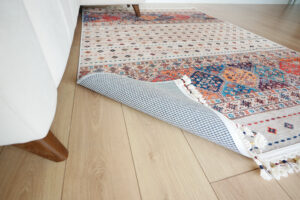
- Remove your throw rugs from high traffic areas (such as hallways): Loose throw rugs are major tripping hazards because they easily slide, bunch up, and catch on feet or walkers.
- Secure your area rugs to the floor with double-sided carpet tape: Regularly inspect your area rugs for curled edges that should be secured down, and replace the tape if it starts to show signs of lifting up.
- Replace your bathmat if the grip is poor: Bathmats may lose their grip due to trapped water and soap residue, which can lead to slips and falls. If you push the mat with your foot and it slides, the grip is poor and the mat should be replaced.
- Add additional safety equipment: Having other safety features, such as grab bars or a bath chair, can help provide stability, safety, and prevent injury.
For more bathroom-related tips, read our article for practical advice that can help you prevent bathroom falls and injuries.
2. Handrails and Grab Bars
- Install handrails and grab bars on sturdy walls: Check the wall for cracked tiles or damaged drywall. Weak surfaces may not provide secure support, causing the handrail or grab bar to loosen or fall. Always attempt to mount at least one end of the grab bar into a wall stud using a stud finder. If you are installing the bar into a hollow wall (one without a stud), ensure that you use specialty anchoring devices.
- Test your handrails/grab bars regularly, and tighten loose screws or brackets: Shake the handrail or grab bar. If it moves, tighten or reinstall these parts.
3. Curtain Rods and Showerheads
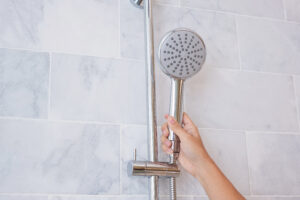
- Replace worn or damaged rod/showerhead components: Examine your curtain rods and showerhead brackets for bending, cracking, rust, or other damage that could reduce their strength. Replace any worn or damaged components promptly so curtain rods don’t fall unexpectedly.
- Tighten or reinstall loose screws or brackets: Gently pull on and wiggle the curtain rod. If it shifts, sags, or feels unstable, tighten the screws or reinstall the brackets and anchors as needed.
- Install the showerhead holder at a lower height: This can reduce the distance the showerhead could fall and lessen the risk of injury if it falls. It also means you don’t have to reach up high to put the showerhead back on its holder. After bathing, always check to see if the showerhead is securely seated in its holder.
- If you can’t move the holder lower, leave the showerhead hanging down in the bathtub or shower: You can leave the showerhead hanging down in the bathtub or shower area, making it easy to reach the next time you need it.
4. Wobbly, Low, or Sharp Furniture
- Tighten loose hardware: Tables, chairs, and couches should remain stable when you lean on them. If they shift or rock, tighten any loose screws, bolts, or fittings.
- Attach sticky pads to uneven furniture legs: Adhesive furniture pads (sticky pads) can help level your wobbly furniture and improve its stability.
- Add furniture risers: Low seating can make it difficult to sit down and stand up safely, increasing the risk of falls if you miss the seat or lose your balance. Add furniture risers under the legs of your chairs and couches to increase their height, and make it easier and safer to sit down and stand up.
- Choose furniture with an appropriate seat height: If you are purchasing new furniture, measure the seat height before buying. Look for chairs and sofas that allow you to sit with your feet flat on the floor and your knees at a comfortable angle.
- Apply corner guards or edge protectors: Sharp corners and edges can cause injuries like cuts or bruises upon impact—and are especially dangerous if you happen to fall nearby. Consider attaching guards or protectors made of silicone, rubber, or foam to the edges and corners of furniture. Common high-risk furniture includes coffee tables, desks, glass tables, metal bed frames, desks, and shelves.
5. Storage Too High or Too Low
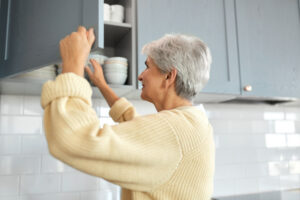
- Store items between knee and shoulder height: This reduces the need to bend, stretch, or reach, helping prevent loss of balance and falls.
- Ask a family member, friend, or caregiver to move heavy items: Avoid lifting or carrying heavy objects on your own. Getting help can reduce the risk of strain, loss of balance, and falls. (Please note that Circle of Care has a policy in place that prohibits our staff from lifting anything over 5kg, so please do not ask our staff to assist with moving heavy objects).
6. Extension Cords
- Remove long extension cords from commonly used paths: Clear your paths of cables and cords to reduce the risk of trips and falls.
- Install wire or cord clips: Tack down electrical cords along the walls, so they don’t run across the floors, where they’re more likely to cause you to trip. You can find these clips at most hardware stores.
- Purchase longer extension cords: Extension cords are often run across walkways because they are too short to reach their destination while staying along walls or behind furniture. Before purchasing an extension cord, check its length to ensure it is long enough to be routed safely around the perimeter of the room.
7. Narrow Pathways
- Remove unnecessary furniture from pathways: Furniture commonly found in hallways, such as console tables, benches, and bookshelves, can narrow walking areas and create obstacles. Consider relocating these items to create a wider, safer path, reducing the risk of bumping into furniture.
- Remove decorations or objects from walkways: Items such as cardboard boxes, plants, and other household belongings can make pathways more difficult to navigate. Keep your walkways free of clutter at all times.
8. Stair Steps
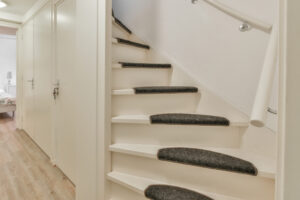
- Install stair treads: Add non-slip stair treads to improve traction and reduce the risk of slips and falls when going up or down the stairs.
- Use colour contrast on steps to identify the top and bottom: Mark the top and bottom steps with brightly coloured tape or paint to make them more visible and easier to identify, especially in low-light conditions.
- Install motion-activated night lights at the top and bottom of stairs, or near stairwells: Consider installing motion-activated night-lights near the top/bottom or along stairwells (if there are outlets) to increase visibility in low-light conditions.
9. Balcony or Deck Inaccessibility
- Install a small ramp to access your deck/balcony: A low-profile ramp can help reduce the height difference at doorways and thresholds, making it easier to step onto a balcony or deck while lowering the risk of tripping. Improving accessibility can make it easier and safer to enjoy outdoor spaces and spend more time outside.
- Use slip-resistant mats or flooring: The ramp and surrounding flooring should be secure and provide good traction, especially in wet weather.
- Remove any clutter, furniture, or planters near the doorway: Keep the entrance clear from anything that could make access more difficult or create a tripping hazard.
10. Poor Lighting
- Brighten dark pathways with additional lamps or fixtures: Maintain bright and consistent lighting across all stairways, hallways, and bathrooms with lamps and fixtures. A well-lit home helps keep yourself and your loved ones safe from trips and falls.
- Replace dim or dull light bulbs: Check to see if they have dimmed or need to be replaced.
- Install night lights: Help ensure the walking path between your bedroom and bathroom is visible at night.
For more advice, read our article on how to prevent falls at nighttime.
Protecting senior independence starts at home. By noticing these common home hazards and regularly reviewing these risks on a regular basis, you can help build a safer, more comfortable environment for you and your loved ones.
Sources